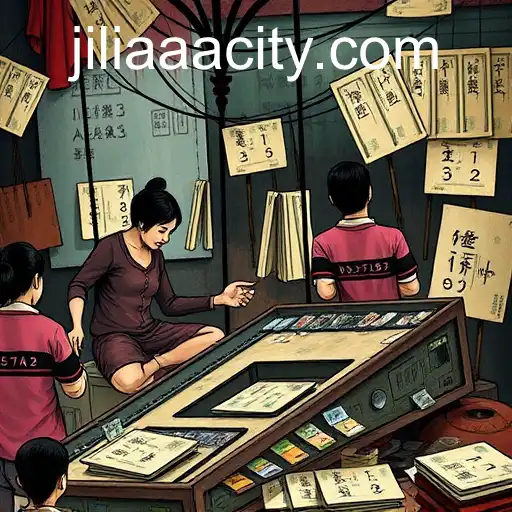
The Complex World of Jueteng and Its Impact on Society
Jueteng is a deeply ingrained, albeit illegal, numbers game that has become an essential part of Filipino culture. Despite its outlaw status, this grassroots lottery continues to thrive across various regions of the Philippines. In understanding Jueteng, it is crucial to examine its origins, pervasive social implications, and the responses it has elicited from different stakeholders.
The Origins and Mechanics of Jueteng
Jueteng traces its roots back to the colonial era of the Philippines. Initially introduced as a pastime among Chinese immigrants, it gradually permeated through various social strata. Today, it is known for its simplicity and accessibility. Players wager on two numbers, ranging from 1 to 37, which are drawn twice daily by the operators known as 'cobradores'. These operators collect bets from the players and disseminate them upwards through a hierarchy of coordinators, financiers, and eventually, to the jueteng lord, who organizes the entire operation.
The Socio-Economic Tapestry
Despite its illegality, Jueteng is one of the most popular forms of entertainment among Filipinos. Its pervasive nature can be attributed to several factors, including economic need, cultural acceptance, and the financial allure that it presents. For many, jueteng is not just a form of gambling, but a means of livelihood and a potential escape from poverty. This is particularly true in underprivileged communities where economic opportunities are scarce.
The monetary rewards, although often small, provide players with a sense of hope and possibility. At its core, jueteng acts as an unofficial social welfare system that supplements inadequate government support systems. Operators and local officials, who sometimes turn a blind eye or even facilitate the operations, provide funds for community projects or offer credit to needy individuals. However, this shadow economy also poses significant moral and ethical questions.
The Challenges of Regulatory Framework
Efforts to curb jueteng have been made throughout the years, but these have often been undermined by the game's deep-seated nature within society and high-level corruption. The Philippine government has implemented various gambling alternatives such as the Philippine Charity Sweepstakes Office's (PCSO) Small Town Lottery (STL) program. However, these efforts have only met with partial success.
Law enforcement agencies face multiple obstacles when dealing with jueteng. The game is widely familiar and entrenched within communities, making it challenging to report violators without facing community backlash or endangering oneself. Many local politicians and law enforcement officers are also implicated, either directly benefiting from the proceeds or receiving kickbacks and bribes to look the other way.
Policy and Law Enforcement
The interplay between jueteng and politics is intricate and problematic. Election campaigns have often seen politicians pledging to eradicate jueteng, only for such pronouncements to dissipate post-election amid allegations of bribes and high-level government involvement. More effective measures would require a comprehensive strategy targeting both the demand and supply sides, addressing the needs of the communities reliant on jueteng while upholding the law.
Community Perspectives
At the grassroots level, individuals have various perspectives on jueteng. For some, it is viewed as an illicit activity that swindles the susceptible, yet others see it as an opportunity to improve their economic situation. Civic groups and NGOs have taken steps to work alongside communities, reinforcing values of legitimate work, and involving families in economic upliftment programs. These efforts aim to create alternative pathways for economic development that do not contravene the law.
Indeed, tackling the issues surrounding jueteng involves a culturally sensitive approach, acknowledging its historical context while also prioritizing sustainable economic solutions and law and order. Jueteng may appear as a simple numbers game, but it encapsulates deeper socio-economic issues and will require concerted efforts to mitigate its impact.